
Okay, so check this out—I’ve been messing with Solana wallets for a few years. Wow! The first time I moved an NFT on-chain I felt oddly proud and also nervous. Medium-sized moves feel different from big buys though, and that matters. My instinct said the browser extension would be the weakest link, but then something surprising happened as I dug in.
Quick confession: I’m biased toward tools that make crypto feel less like math class and more like familiar apps. Seriously? Yes. Early impressions matter. Initially I thought browser extensions were just lightweight keys tied to a tab, but then I realized they shape the whole UX and security posture for everyday collectors. On one hand, a desktop extension is super convenient; on the other hand, it concentrates risk in a place you trust by habit.
Here’s what bugs me about some wallet extensions. Shortcuts become crutches. Somethin’ about clicking “approve” a hundred times makes you sloppy. That laxity is what scammers count on. So you either build habits around careful checks or you get trimmed—metaphorically, of course, not always literally.
Okay, let’s walk through practical stuff—what to look for in an NFT-focused Solana browser extension. First: seed management. Second: transaction clarity. Third: signer control that doesn’t pretend to be invisible. These are basic. They sound boring, but they determine whether you keep your collection or not.
When I say “transaction clarity” I mean the extension explains what it’s doing in plain words. Wow! You shouldn’t have to translate hex. If a wallet shows token amounts, the program name, and a readable explanation of account changes, that reduces human error. Longer descriptions matter too, for complex instructions like creating associated token accounts or interacting with a swap pool.
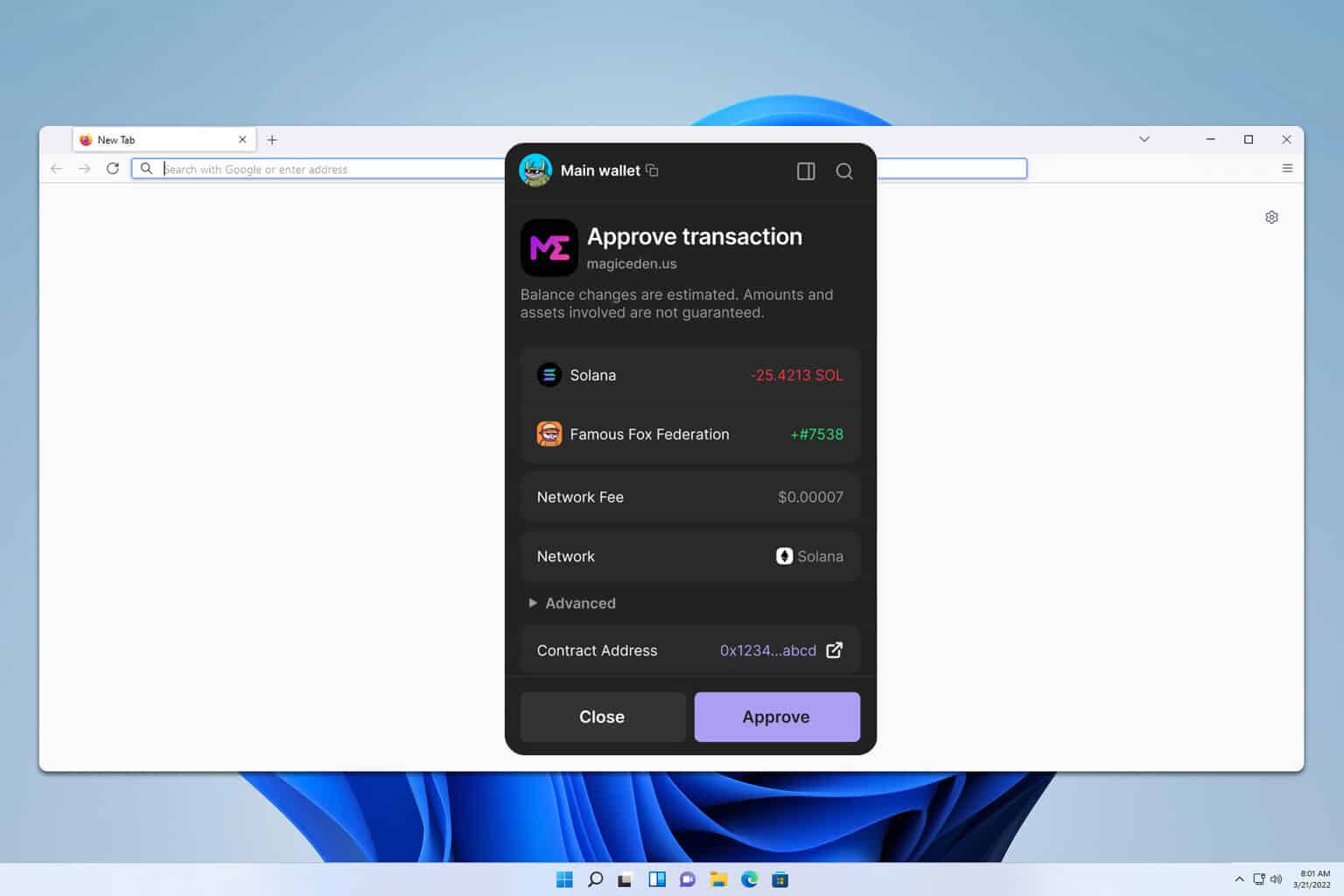
Real-world tradeoffs: UX versus safety
People want quick sign-in. People also want peace of mind. My instinct said compromise is possible. Hmm… on one hand you can save time with a single click, though actually—wait—there are levels to this. For example, when a wallet lumps fee estimates and program calls into one blurred prompt, that’s a red flag to me.
I started using a browser extension that balanced clarity and convenience and that changed my behavior. It made me engage with the details. The UX nudged me to verify program IDs and fee breakdowns, so I stopped reflexively approving everything. That habit alone saved me from a suspicious contract last month—yeah, really. You learn to sniff out oddities fast when the UI doesn’t hide them.
Now let’s be honest about Phantom—it’s famous in the Solana world. I prefer tools that feel native to the web browsing experience and that don’t make you juggle too many windows. If you’re curious, try phantom and pay attention to how it surfaces transaction details and network messages. I’m not saying it’s perfect. I’m saying it’s a useful baseline for comparison.
Security-wise, browser extensions need to do at least three things well: isolate keys, validate requests, and log actions. Short checklist: hardware support, session management, and clear revoke capabilities. These features are not glamorous. They are necessary. Missing them makes a wallet a sunk-cost liability.
On hardware support—if you can plug in a Ledger and have the extension act as a middleman without exporting keys, that’s major. Wow! That setup reduces the attack surface dramatically. But there are nuances: not all hardware integrations are created equal. Some use the device only for signing while others try to replicate accounts and leak metadata. Read the details carefully.
Another subtle point: network selection and cluster labels. Sounds trivial. It isn’t. If an extension hides the chosen RPC or auto-switches clusters, you could be on a fork or a scam node without knowing. My rule is to prefer wallets that let you pin reliable endpoints and that warn you when something unusual is requested. Somethin’ as small as endpoint visibility saved me from a delayed balance read once.
Okay, wallets and NFTs also intersect with metadata standards and lazy minting. This is where UX gets messy. You think you own an image, but what you actually hold is a pointer to where the image lives. That pointer can break. That pointer can change. On one hand it’s efficient; on the other hand, the durability model matters a lot when you’re collecting pieces that you really care about.
So what role does a browser extension play here? It can show provenance and storage hints next to the asset, and it can warn when metadata is off-chain or served from mutable sources. That kind of transparency is a win. When an extension surfaces the IPFS link, the mint program, and a small provenance timeline, collectors feel safer—simple as that. I felt safer immediately when an extension started showing those things in the asset view.
Let’s talk features I’d trade for my sanity. I want easy exports of holdings, CSVs for taxes, and clear integration with marketplaces. But I don’t want one-click approvals that batch infinite permissions. That part bugs me. Too many “approve all” flows are built for retention and not for custody. So I choose products that default to minimal scopes and require explicit expansions.
On the behavioral side, the extension’s prompts shape how you interact with NFTs. A well-designed prompt introduces friction intentionally: confirm contract names, verify recipient addresses twice, and show the full token mint. That friction is a good kind of friction—the kind that prevents mistakes. My brain appreciates it, even if my patience sometimes does not.
Sometimes I go off on tangents about wallets as social tools. (Oh, and by the way…) Wallet extensions are also how people show off their collections—public addresses, profiles, and avatars live in your browser persona. That has privacy implications. Will your extension let you create view-only profiles? Will it let you spin up multiple identities easily? These are increasingly important for collectors who value privacy and curation.
Let’s think through a typical user flow for buying an NFT on Solana via a browser extension. Step one: discover on a marketplace. Step two: connect your wallet. Step three: review the transaction. Step four: approve. Each step is a chance to trap the user or to protect them. In practice, the small microcopy choices—like labeling the program being called—make the difference between safe and unsafe behavior.
Initially I thought developers didn’t care about microcopy. But then I realized product teams that obsess over phrasing reduce phishing success rates. Actually, wait—let me rephrase that: good microcopy reduces careless approvals, which lowers scams. It’s both behavioral science and product polish. Not sexy, but effective.
Alright, a few practical tips before I wrap up. Back up your seed in multiple secure places. Consider hardware for large holdings. Revoke approvals periodically. Keep your browser clean of sketchy extensions. These are basics, yet people ignore them until it’s too late. I say this as someone who’s been lax sometimes—guilty as charged.
FAQ — Quick answers for common wallet-extension worries
How do I verify an NFT’s storage is durable?
Look for IPFS or Arweave links in the metadata. If the asset points to a mutable HTTP URL, that’s a risk. Also check the mint program and creators’ verification. If the extension surfaces that info, use it. If it doesn’t, consider a different tool or do the metadata lookup yourself.
Is using a browser extension safe for day-to-day NFT browsing?
Yes, with caveats. For small interactions it’s fine. For large transfers, hardware-backed signing is preferable. Always verify contracts and don’t approve unlimited allowances. The extension UI should make these verifications easy.
Closing thought: wallets are more than key managers now. They’re the cultural interface for crypto ownership. That makes them part product, part security appliance, part identity system, and part social tool. It’s messy. And that’s okay. I’m excited and wary at the same time. Something about that tension keeps me curious and committed to improving the space.